
Why You Should Never Skip ADAS Calibration After a Windshield Replacement
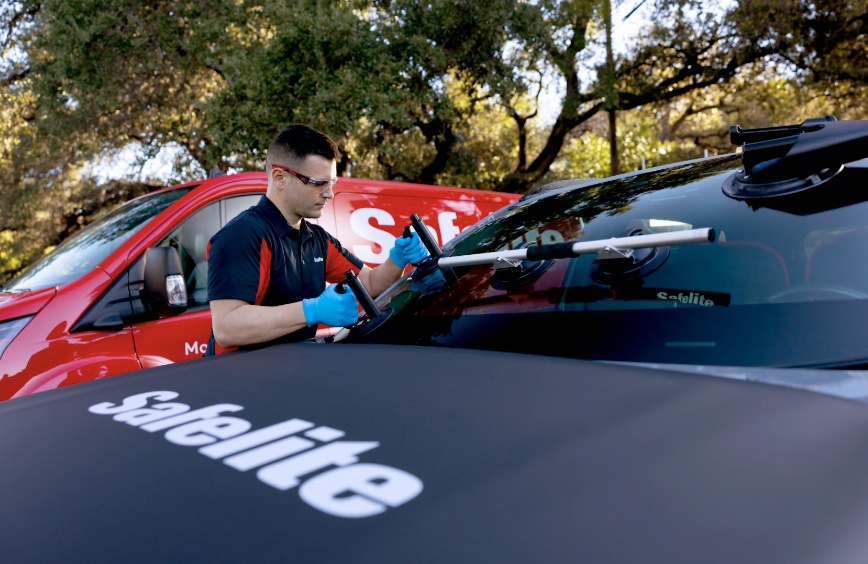



If your vehicle has Advanced Driver Assistance Systems (ADAS), your windshield replacement isn't truly complete until the camera system has been calibrated. Here's why that matters more than you may think.
Your Windshield Is Part of Your Safety System
Most drivers think of their windshield as a piece of glass. In reality, your windshield is a critical component of your vehicle's safety network.
Depending on the make and model of your car, the forward facing camera mounted near your rearview mirror powers some of the most important safety features in your vehicle, including:
-
Automatic emergency braking (AEB)
-
Lane departure warning and lane keeping assist
-
Forward collision warning
-
Adaptive cruise control
-
Pedestrian and cyclist detection
What Actually Happens When You Skip Calibration
This is where it gets serious. A poorly calibrated ADAS system doesn't just underperform, it can behave in ways that are actively dangerous. Here's what can happen when calibration is skipped:
-
Automatic emergency braking (AEB) that reacts too late, or not at all, when approaching a stopped vehicle
-
Lane keeping assist that overcorrects or fails to activate, making highway driving unpredictable
-
Forward collision warnings that trigger too early or too late, reducing confidence in the system
-
Adaptive cruise control that misjudges distance, causing sudden or unexpected braking
-
False alerts for hazards that don't exist, which can cause drivers to disable safety features altogether
The worst case scenario isn't a warning light, but instead, a serious safety issue.
ADAS Calibration is Necessary for Many Types of Vehicles
In 2016, only about 1 in 4 vehicles required ADAS calibration after a windshield replacement. Today, nearly 9 out of 10 model year 2023 vehicles require it.
Nearly all major automakers require recalibration after windshield replacement as a condition of maintaining your vehicle's safety systems. Toyota, Honda, Ford, Subaru, and Tesla are some vehicle makes that specify the need for calibration.
The Financial and Legal Risks of Skipping Calibration
Skipping ADAS calibration doesn't just put you at physical risk. There are financial and legal consequences that most drivers never consider until it's too late.
-
Your warranty could be voided: Many modern vehicle warranties include clauses requiring proper maintenance of ADAS components.
-
Your insurance claim could be denied: Many insurance policies require proof of ADAS calibration after a windshield replacement.
-
You could be held liable: If it's determined after an accident that you declined a required calibration, you could face increased personal liability.
Does insurance cover ADAS recalibration after windshield replacement?
In most cases, yes. If you have comprehensive coverage, ADAS recalibration is typically covered as part of your claim.
At Safelite, we work directly with hundreds of insurance carriers, verifying your coverage and handling the claim so you don't have to worry about the paperwork.
Schedule Your Appointment with a Safelite Technician Today
At Safelite, every windshield replacement on an ADAS-equipped vehicle includes a calibration check. Our certified technicians are trained in both static and dynamic calibration, and in many cases we can complete your replacement and calibration in a single appointment; at your home, your office, or one of our locations nationwide.
Not sure if your vehicle has ADAS? We'll look it up by VIN when you schedule.
The Bottom Line
Skipping ADAS calibration after a windshield replacement can cause critical safety features like automatic braking to fail or behave unpredictably. Most manufacturers require it, and in most cases, it is fully covered by insurance
Frequently Asked Questions:
Q: How much does ADAS recalibration cost?
A: ADAS recalibration costs vary depending on several factors, including your vehicle's make, model, and year, the number of systems requiring recalibration, the type of recalibration needed (static, dynamic, or both), and your location. Newer vehicles and those with more complex safety systems tend to fall on the higher end of the range.
Q: How long does ADAS recalibration take?
A: The recalibration process typically takes one hour or more depending on your vehicle's make, model, and the type of recalibration required. Static recalibration is performed in a controlled shop environment, while dynamic recalibration involves a test drive under specific conditions. Some vehicles require both.
Q: Is ADAS recalibration necessary?
A: Not every vehicle requires it, but most modern vehicles do. Any car with a forward-facing camera mounted to or near the windshield will need calibration after a replacement. When you schedule with Safelite, we check your vehicle's specific requirements by VIN so you know exactly what's needed before your appointment.
Q: Can I drive my car before getting ADAS recalibration done?
A: We do not recommend driving your vehicle before ADAS recalibration. Your safety systems may not function accurately until recalibration is complete, meaning features like automatic emergency braking (AEB) or lane keeping could behave unpredictably.