
How to Stop a Windshield Crack from Spreading | Safelite
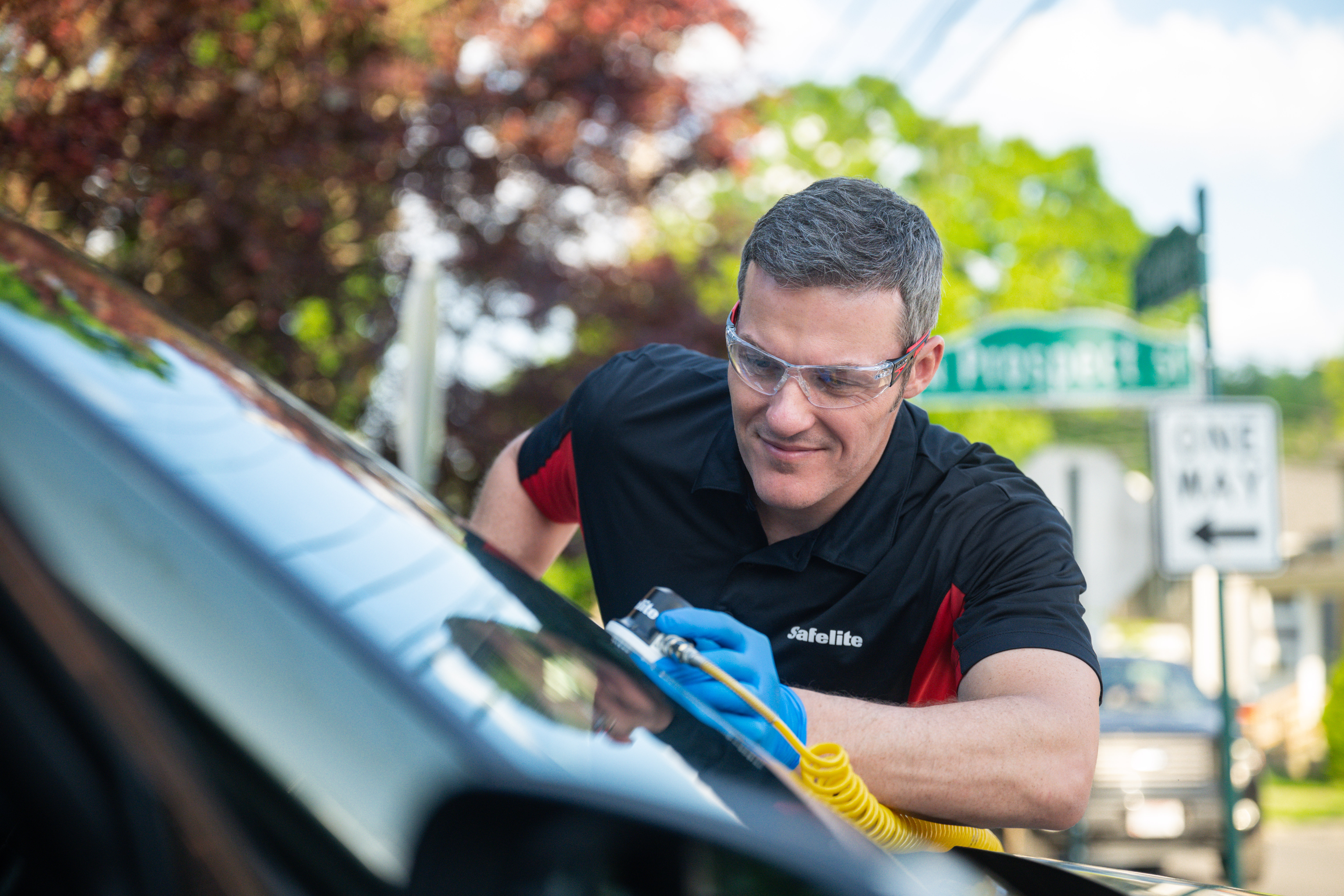



How to Stop a Windshield Crack from Spreading
A windshield crack does not stay the same size. Temperature swings, road vibration, moisture, and pressure from normal driving all work against you. What starts as a small crack can run edge to edge within days, turning a repairable problem into a full replacement. The good news is there are steps you can take right now to slow down the damage and buy time before your appointment.
Why Windshield Cracks Spread
Understanding what makes a crack grow helps you avoid the things that speed it up. Glass expands and contracts with temperature, and a crack creates a weak point where that stress concentrates. Over time those small movements cause it to extend further.
Other factors that accelerate spreading include:
- Slamming doors or the trunk: The pressure wave sends a shockwave through the glass that stresses the crack.
- Driving on rough roads: Potholes and uneven surfaces flex the windshield frame, which widens the crack.
- Moisture getting in: Water works its way into the crack and weakens the surrounding glass, especially when it freezes and expands overnight.
- Blasting heat or AC directly at the glass: Rapid temperature changes from your climate control system are one of the fastest ways to extend a crack.
- Leaving the car in direct sun: Heat builds up quickly inside a parked car. The glass expands unevenly around the crack and it grows.
What to Do Right Now to Slow the Spread
You cannot stop a crack permanently without professional repair, but these steps will slow it down while you wait for your windshield repair appointment:
- Park in the shade or a garage. Reducing heat buildup is the single most effective thing you can do. Direct sun accelerates spreading faster than almost anything else.
- Avoid temperature extremes from your climate system. Do not blast cold AC or hot air directly at the windshield, especially right after the car has been sitting in the sun or cold. Let the temperature equalize gradually.
- Do not pour hot water on a frosted windshield. This is a common mistake in winter. The rapid temperature change will almost certainly extend the crack immediately.
- Cover the crack with clear tape. A piece of clear packing tape over the crack keeps moisture and debris out. It is not a repair, but it protects the damaged area until you can get it looked at.
- Drive gently. Avoid rough roads when possible and close your doors carefully. Reducing vibration and pressure on the glass slows the spread.
- Do not use a DIY repair kit on a crack longer than an inch or two. These kits work well on small chips. On larger cracks they rarely bond properly and can make professional repair harder or impossible.
When a Crack Can Still Be Repaired vs. When You Need a Replacement
The answer depends on the size, location, and depth of the crack.
Windshield repair is typically still possible when:
- The crack is shorter than six inches
- It has not branched into multiple directions
- It has not reached the edge of the glass
- The inner layer of the glass is intact
Windshield replacement is required when:
- The crack is longer than six inches or has spread to the edge
- There are multiple cracks or a branching pattern
- The crack is in the driver's primary line of vision and cannot be repaired without distortion
- The damage goes through both layers of the laminated glass
If you are not sure which category your crack falls into, a Safelite technician can assess it quickly.
Safelite Can Help You Repair or Replace Before It Worsens
The longer a crack sits, the fewer options you have. Safelite technicians can assess your damage, tell you whether repair or replacement is the right call, and in many cases complete the work the same day at your home or workplace. Schedule your appointment today before the crack makes the decision for you.
Frequently Asked Questions
Q: Can I drive with a cracked windshield?
A: It depends on the size and location of the crack. A small chip or crack away from your line of sight may be drivable in the short term, but any crack that obstructs your view, sits near the edge of the glass, or is actively spreading should be addressed before driving. In many states, driving with a cracked windshield can be an offense if it impairs visibility.
Q: Will cold weather make my windshield crack worse?
A: Yes. Cold temperatures cause glass to contract, which puts stress on existing cracks. If the crack collects moisture and that water freezes overnight, it expands inside the crack and can extend it significantly by morning. Keeping your car in a garage when possible and avoiding sudden temperature changes helps slow this.
Q: How fast can a windshield crack spread?
A: In ideal conditions a crack can stay stable for days. But after a cold night, a hot afternoon in the sun, or one rough patch of road, it can extend inches in minutes. There is no reliable way to predict it, which is why scheduling a repair quickly is always the better move.
Q: Is a cracked windshield covered by insurance?
A: Windshield damage is covered under comprehensive insurance, not collision. Whether it makes financial sense to file a claim depends on your deductible and the cost of the repair or replacement. For more on how to make that call, see our guide on whether to use insurance for windshield replacement.